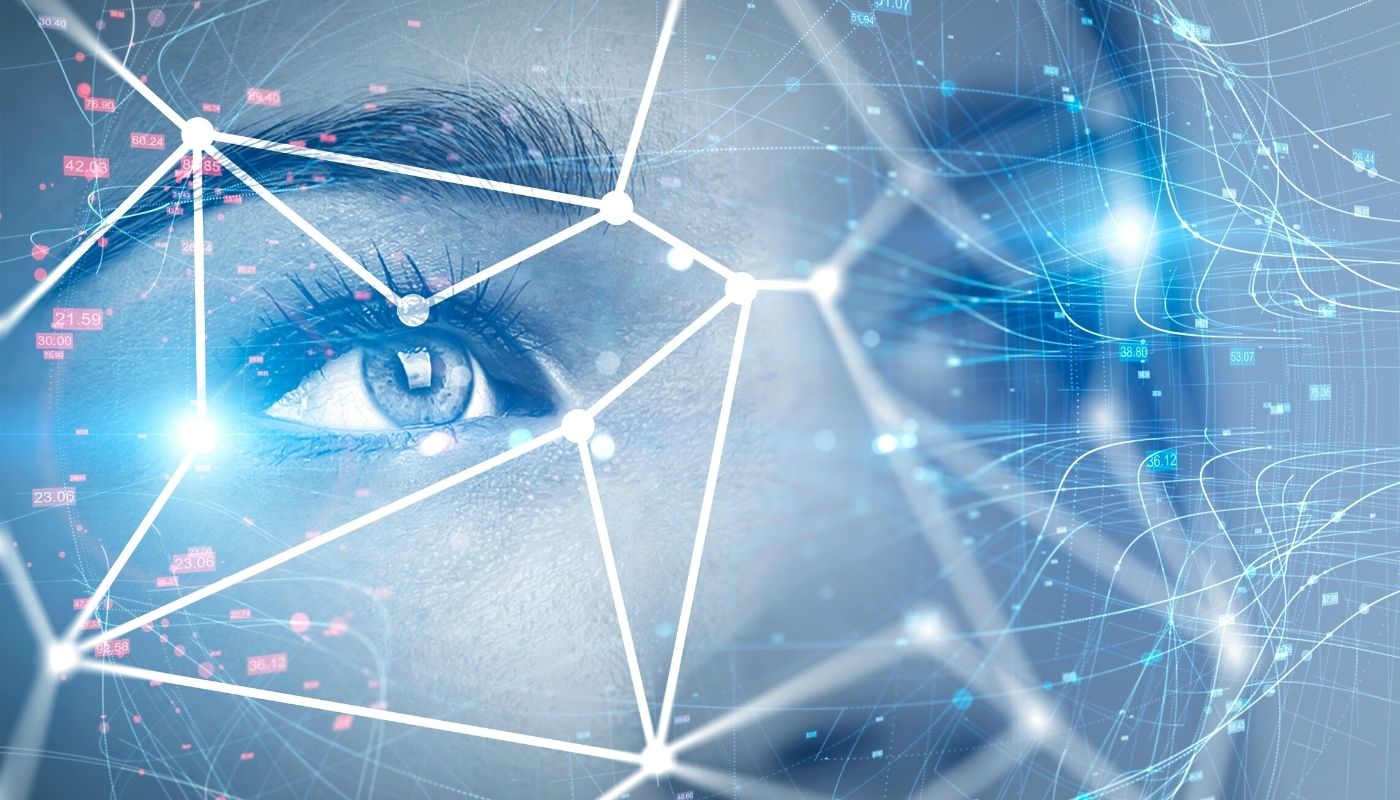

Augmented Reality (AR): Immersive Shopping Experiences: Augmented Reality technology enables consumers to visualize how cosmetics will look on their skin before making a purchase. AR apps and mirrors provide an interactive and immersive shopping experience, both in-store and online. This technological integration empowers consumers to make confident decisions by virtually trying on different products and experimenting with various looks.
Blockchain: Transparency and Trust: Blockchain technology is being harnessed to ensure transparency and traceability in the cosmetics industry. By tracking the sourcing of ingredients, manufacturing processes, and verifying the authenticity of organic or natural claims, blockchain builds trust among consumers. This technology is vital for brands committed to ethical and sustainable practices. Microbiome Analysis: Personalized Skin Health: Understanding the skin's microbiome is crucial for formulating products that cater to individual needs. Microbiome analysis tools aid in the development of microbiome-friendly cosmetics, promoting skin health by considering the unique microbial ecosystem of each user. This personalized approach represents a significant step forward in skincare innovation. Nanotechnology: Enhanced Ingredient Delivery: Nanoparticles are being leveraged to enhance the delivery of active ingredients in cosmetics. By improving the absorption of skincare products, nanotechnology contributes to their effectiveness in treating various skin conditions. This innovation showcases the industry's commitment to pushing the boundaries of science for better beauty solutions. Green Chemistry: Sustainable Beauty Practices: Cosmetic brands are increasingly adopting green chemistry practices to reduce their environmental impact. This involves sustainable sourcing, eco-friendly packaging, and the development of biodegradable formulations. By prioritizing environmental responsibility, brands align themselves with the growing demand for sustainable beauty options. Clean Beauty Testing: Ethical Beauty Assessments: Innovative testing methods, such as in vitro and in silico testing, are replacing traditional animal testing for cosmetics. These methods provide accurate safety assessments without harming animals, aligning with the clean beauty movement and ethical consumer expectations. Augmented Formulation: AI-Driven Innovation: AI-driven algorithms assist formulators in creating unique cosmetic formulations. By suggesting ingredient combinations, concentrations, and textures aligned with emerging trends and consumer demands, augmented formulation exemplifies the synergy between technology and creativity in product development. Sustainability Assessments: Eco-Conscious Decision-Making: Life cycle analysis and carbon footprint assessments are becoming essential tools for evaluating the environmental impact of cosmetic products. This data empowers brands to make eco-conscious decisions throughout the product development process, from sourcing raw materials to packaging and distribution. The convergence of technology and cosmetics is driving a paradigm shift in the beauty industry. From personalized 3D-printed products to sustainable formulations guided by AI, these innovations cater to evolving consumer preferences for unique, sustainable, and technologically advanced beauty solutions. As these trends continue to shape the industry, the future of cosmetics looks set to be both innovative and environmentally conscious.